The Face of Truth | Ibrahim Shiglawi … Sudan and Turkey: A Partnership That Accepts No Possibilities

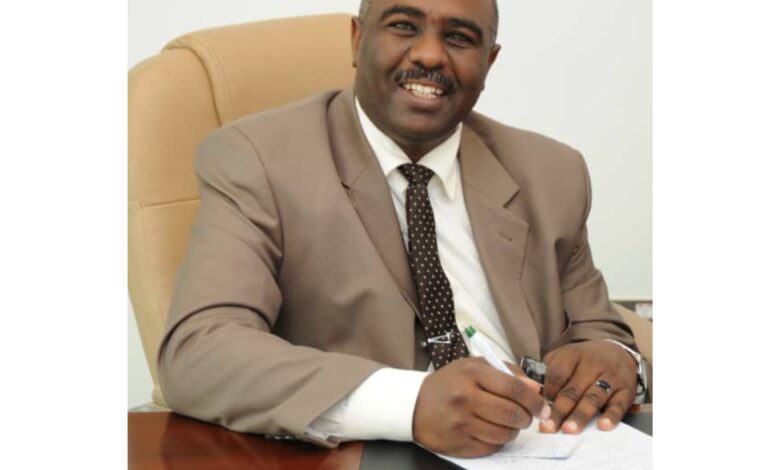
The Face of Truth | Ibrahim Shiglawi
Sudan and Turkey: A Partnership That Accepts No Possibilities


The Sudanese-Turkish relationship is considered one of the most promising regional partnerships, still hostage to political calculations more than being subject to a strategic vision stemming from Sudan’s reality and the requirements of the stage.
Although Turkey has never hidden its desire to enhance its presence in Sudan, whether through supporting the Sudanese government or expanding its investments in energy, agriculture, and education sectors, the Sudanese side has not shown enough seriousness in managing this file in a manner that aligns with its size and dimensions.
The visit of Turkish President Recep Tayyip Erdoğan to Khartoum in December 2017 was a turning point in the history of relations between the two countries, being the first visit by a Turkish president since Sudan’s independence. The visit was laden with practical signals, represented by his accompanying an economic delegation of 200 businessmen and signing 12 cooperation agreements in various fields, with a clear interest in reviving historical ties through his visit to the city of Suakin. However, the absence of a clear mechanism for implementation and the Sudanese side’s lack of consistent political will caused many of these agreements to regress to the level of mere intentions.
Despite the challenges, Turkey continued to support Sudan, with its position clear after the outbreak of war between the army and the Rapid Support Forces militia, which, with regional support, attempted to seize power in April 2023. Ankara declared its position in support of the Sudanese state and its institutions, which was later translated through repeated visits by President Abdel Fattah al-Burhan to Ankara and deals for the supply of Turkish Bayraktar drones, which helped shift the battlefield equation in favor of the Sudanese army in decisive battles to regain Khartoum and the Gezira and Sennar states.
The Turkish presence was not limited to the security dimension; it extended to actual contributions in reconstruction efforts. Turkish companies announced the resumption of activities in stalled developmental projects, most notably the rehabilitation of the “Aslan” gypsum factory, which resumed production in the Sudanese capital as a symbol of the resilience of Turkish investments and confidence in Sudan’s future.
Recently, there has been a noticeable increase in Turkey’s interest in the higher education sector. The Turkish ambassador recently expressed his country’s willingness to support Sudanese universities affected by the war and expand academic and student exchanges, reflecting Turkey’s recognition of the importance of soft power in cementing its long-term relationships with Sudan.
In a more significant context, Turkey’s serious contribution to infrastructure projects is evident with the ongoing implementation of the Klaneeb power station project in the Red Sea State, with an energy production capacity of 350 megawatts by a specialized Turkish company. This strategic project reflects geopolitical awareness of the importance of the Red Sea as a vital shared area. This project positions Turkey as a true developmental partner and sets the stage for the possibility of replicating this experience in other Sudanese states that still require energy infrastructure rehabilitation and can accommodate reconstruction plans.
Despite these efforts, the Sudanese government’s handling of this rapprochement has remained unclear. It seems that some circles of decision-making in Khartoum have not yet realized the potential opportunities inherent in this relationship. This was reflected in the slow implementation of many agreements and weak institutional coordination, which weakened the expected impact of this cooperation, despite Turkish investments exceeding two billion dollars, covering 288 projects across various sectors.
The continuation of this positive dynamic in bilateral relations requires addressing the biggest gap on the Sudanese side: the lack of a central institutional body responsible for managing relations with Turkey. Therefore, it seems necessary to reorganize this file to ensure coordination between government institutions, the private sector, and the head of state. In this context, the direct responsibility for this file could be entrusted to the Sudanese Defense Industries Authority, given its experience and existing relations with the Turkish side, especially in defense technology fields and industrial agreements related to infrastructure rehabilitation.
Moreover, Lieutenant General Yasser al-Atta, a member of the Sovereign Council, could directly supervise the political file of Sudanese-Turkish relations as a special envoy of the president, considering his military and diplomatic background and his ability to negotiate and coordinate at the highest levels. This could mirror the qualitative efforts made by Engineer Ibrahim Jaber, who handles sensitive economic files and has achieved significant breakthroughs in developmental partnerships.
Sudan’s delay in utilizing its vast resources, its geostrategic location, and its political relations with regional powers like Turkey not only wastes huge developmental opportunities, but it could also cost Sudan dearly if it is forced to seek other partners at an inappropriate time or within regional contexts that do not serve its long-term interests. Therefore, time does not allow for further procrastination or hesitation. The world does not wait, opportunities do not repeat, and true partners should not be kept waiting, especially if they are trusted and respected by Sudanese people.
According to #The_Face_of_Truth, the importance of unified leadership in managing this vital file lies in considering it an integral part of Sudan’s national strategy for renaissance, not merely a tool in the game of international balance. Turkey possesses the necessary tools and expertise to provide support in reconstruction and development areas. Despite ongoing challenges, Turkey has remained a steadfast strategic partner in supporting Sudan. To maximize the benefits of this relationship, it must shift from diplomatic formalities to an institutional partnership built on strategic goals, ensuring sustainable political and economic stability, and surpassing the boundaries of temporary cooperation and ad hoc responses.
Wishing you good health and wellness.
Monday, October 13, 2025
Shglawi55@gmail.com