Face of Truth | Ibrahim Shglawi … Government of Hope: The transition is founded on the teacher..

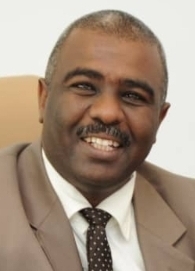
Face of Truth | Ibrahim Shglawi
Government of Hope: The transition is founded on the teacher..


One of the most difficult moments a writer faces when writing about the teacher is the feeling that a keen eye is watching him, reading his words with the gaze of both a critic and an educator. For the teacher, by nature, searches for the essence of meaning, the quality of expression, and the precision of words. In his profession, he is like a skilled craftsman, working with alertness and love, exerting his efforts to deliver the best.
We learned from them, in the early days of our lives, to seek the truth and create success, and to build ourselves on solid foundations. They are our role models in work and reform, and their belief that reforming the human being is the noblest of goals makes them the closest to being messengers of guidance, knowledge, and enlightenment.
Who among us does not remember their first teachers: I remember Sheikh Awad Zayed, Mohammed Al-Hassan, Abdul Rahman Al-Barr, Hassan Abdullah Jadallah, Mohammed Sidon, Al-Fadil Babiker Rahmatullah, Siddiq Al-Mahdi, Ibrahim Al-Jawhari, Othman Al-Ladr, and others who planted in us the love of the teacher and of knowledge, and made the word a light and patience a path.
On this World Teachers’ Day, which is celebrated on the fifth of October every year in commemoration of the signing of the UNESCO and International Labour Organization recommendation in 1966 regarding the status of teachers, which laid down global standards for their rights, duties, and working conditions.
All countries of the world participate in the celebration of this day through various activities and events, expressing gratitude to teachers and affirming the quality of education. Therefore, we stand in reverence for those figures who build nations by building people.
The teacher does not merely transmit knowledge, but plants in minds the love of questioning and the passion for innovation, and in souls the values of discovery and creativity, reshaping the concepts of quality of life every day.
And the words of Tijani Haj Musa, the teacher with the refined pen, “Thank you and we appreciate you, teachers, male and female,” will always bear witness that the message of education in our consciousness and culture was – and will remain – a symbol of boundless human giving.
Education, in its essence as we know, is not indoctrination, but the making of a human being, through the triangle of values: truth, goodness, and beauty. These are the values upon which nations are built, by which they rise, and which are embodied by those loyal to this country. And today, as we rethink the future of our country after crises, wars, and attempted abductions, education becomes the cornerstone of building a society capable of rising with an aware mind, a reassured soul, and renewed consciousness.
The true teacher is the one who does not confine himself to his role in the classroom but becomes a role model in life. From my personal experience, I see that my father and mother – and all our mothers – were the first teachers in our homes and indeed in all our lives. They instilled in us discipline, the love of learning, and the determination to succeed.
But today’s teacher, amidst the challenges our country is going through, needs more than words of appreciation. He needs just policies and binding laws that preserve his dignity and provide him with an attractive working environment, because the dignity of education begins with the dignity of the teacher.
Here comes the role of the Government of Hope, which should make the teacher the starting point for every reform and every renaissance project, by improving his living and professional conditions, providing continuous training and upgrading his competence, and creating a safe and stimulating educational environment.
Japan realized this truth early on and made the teacher a national hero, raised his social and economic status, and invested in his development. That was the secret of its renaissance. It made teachers the cornerstone of the state’s responsibilities. The Japanese government allocated a high salary for teachers and made them social heroes.
The material and moral appreciation of teachers was one of the main reasons behind Japan’s success in education and its advancement at the global level. It also invested in developing teachers’ skills and providing an educational environment that encourages innovation and perseverance.
If Japan achieved this renaissance thanks to its attention to its teachers, why don’t we give the teacher in our country the same level of support and respect? True appreciation for the teacher is the one that does not stop at words, but is translated into practical actions in public policies.
The stage we are living in calls for a comprehensive review of curricula and educational policies. The war did not only disrupt education but also affected the relationships between teachers themselves and weakened the prestige of the profession. Therefore, the first steps of reform are to restore the professionalism of the teacher and keep him away from the miserable political conflicts that detract from the sanctity of his mission.
The teacher is the maker of change, and every success we achieve as a society is the fruit of his hand, mind, and conscience. The “Government of Hope” we aspire to will only be built on this basis: investment in the human being through the teacher.
Just as the rise of nations began from the classroom, our transition must begin there too. And this is the #Face_of_Truth: the teacher is the fertile soil upon which the tree of the nation grows, and the more we nurture him, the more our generations will flourish. Let us restore the teacher’s status, the role of education, and the human face of hope — and only then shall we become active witnesses.
Wishing you well and good health.
Wednesday, October 8, 2025
Shglawi55@gmail.com