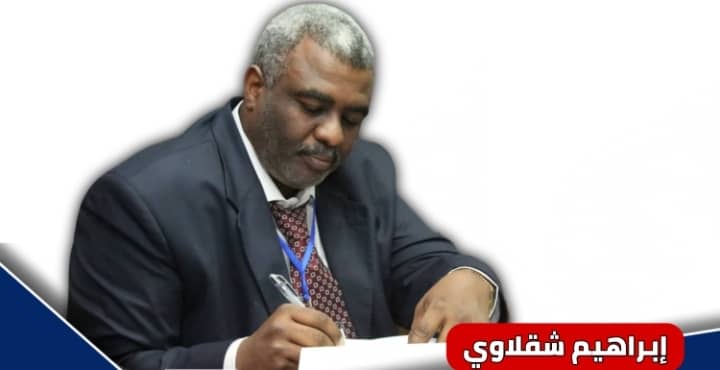
Face of Truth | Ibrahim Shglawi
The Nile Basin and the Potential Impacts of Climate Change


In light of the Third Regional Forum for Innovative Stakeholders in the Eastern Nile Basin (ENTRO), held in Nairobi, it becomes increasingly important to shed light on the growing climate challenges facing this vital region. The Nile Basin is among the most vulnerable areas to climate change — not only due to escalating environmental phenomena, but also because of the political, social, and economic complexities surrounding shared water resources. Addressing these challenges requires genuine regional cooperation that goes beyond narrow interests, aiming to build a shared vision rooted in equity, sustainability, and mutual responsibility.
The urgent measures required to confront climate change in the Nile Basin go far beyond environmental adaptation; they call for transformative shifts in development models themselves. At the forefront are efforts to restore degraded ecosystems through reforestation and rehabilitation of desertified lands, the adoption of climate-resilient agricultural practices to reduce resource depletion, and the implementation of smart irrigation technologies to conserve water. Equally critical is the establishment of early warning systems and the continuous exchange of climate information among basin countries, enabling proactive — rather than merely reactive — responses. On the social front, empowering local communities and strengthening their adaptive capacities remains a cornerstone, especially when grassroots change aligns with broader public policy objectives.
For climate issues to truly become a priority in national development agendas, the roles of key stakeholders are crucial. Former diplomats, with their deep understanding of regional dynamics, can drive coordination and craft transboundary agreements. Religious leaders possess powerful ethical and moral tools that can be harnessed to encourage environmental responsibility based on deeply rooted spiritual values. Meanwhile, the media acts as the bridge that connects knowledge with the public, capable of fostering awareness and generating public pressure on decision-makers through the adoption of scientific and human-centered environmental narratives. The harmony among these diverse voices forms a strong foundation to bring climate issues from the margins to the center of development policy.
Despite the bleak picture painted by the climate crisis, there remain hidden opportunities worth seizing. The urgent need for climate transformation has become a driving force for innovation. Promising fields have emerged in renewable energy, green technologies, and climate-smart agriculture. Some Nile Basin countries have even begun to attract international funding for adaptation and mitigation projects, creating new prospects for investment and development. In fact, these threats have prompted some countries to reconsider their economic models and adopt forward-looking visions for a more balanced and sustainable green economy.
However, seizing these opportunities demands thoughtful and well-calculated strategies for future development. Plans must be built on an integrated approach that recognizes the interconnection between water, food, and energy. Countries that pursue agricultural or industrial expansion without careful consideration of their water capacities may face even greater crises. Here lies the importance of planning based on reliable climate data, and involving the private sector and civil society through smart partnerships with clear, measurable objectives.
The challenges intensify when we realize that many Nile Basin countries aspire to development goals that require more water than is currently available in the existing hydrological system. To bridge this gap, strategies must combine demand reduction, efficiency improvement, and expansion of alternatives. Enhancing irrigation and drainage networks, promoting low-water-use crops, reusing treated wastewater, and investing in desalination technologies are all essential components of long-term, realistic plans. Any proposed solutions must also fit within a comprehensive regional framework that respects the interests of all parties and promotes integration rather than conflict.
Amid all of this, preserving a spirit of cooperation among the people and governments of the basin becomes not a luxury — but a necessity. Citizens are the true agents of sustainable change, and they must adopt responsible behaviors, demand transparency and accountability, and actively engage in community-based water and climate programs. Stakeholders, in turn, must continue to build bridges and expand partnerships under the Nile Basin Initiative by capitalizing on existing achievements, such as shared water information systems and cross-border infrastructure projects. Trust-building remains the most valuable capital basin countries can invest in to secure continued cooperation.
From the perspective of #Face_of_Truth, the challenges posed by climate change in the Nile Basin are existential. Yet, with sincere collaboration, rational planning, and openness to innovation, this critical moment can mark the beginning of a new path — one of just and sustainable development that benefits all.
Wishing you well and in good health,
Friday, June 20, 2025
📧 Shglawi55@gmail.com